
Análisis instantáneo gratuito
Revele los ingresos de Airbnb para cualquier dirección o ciudad
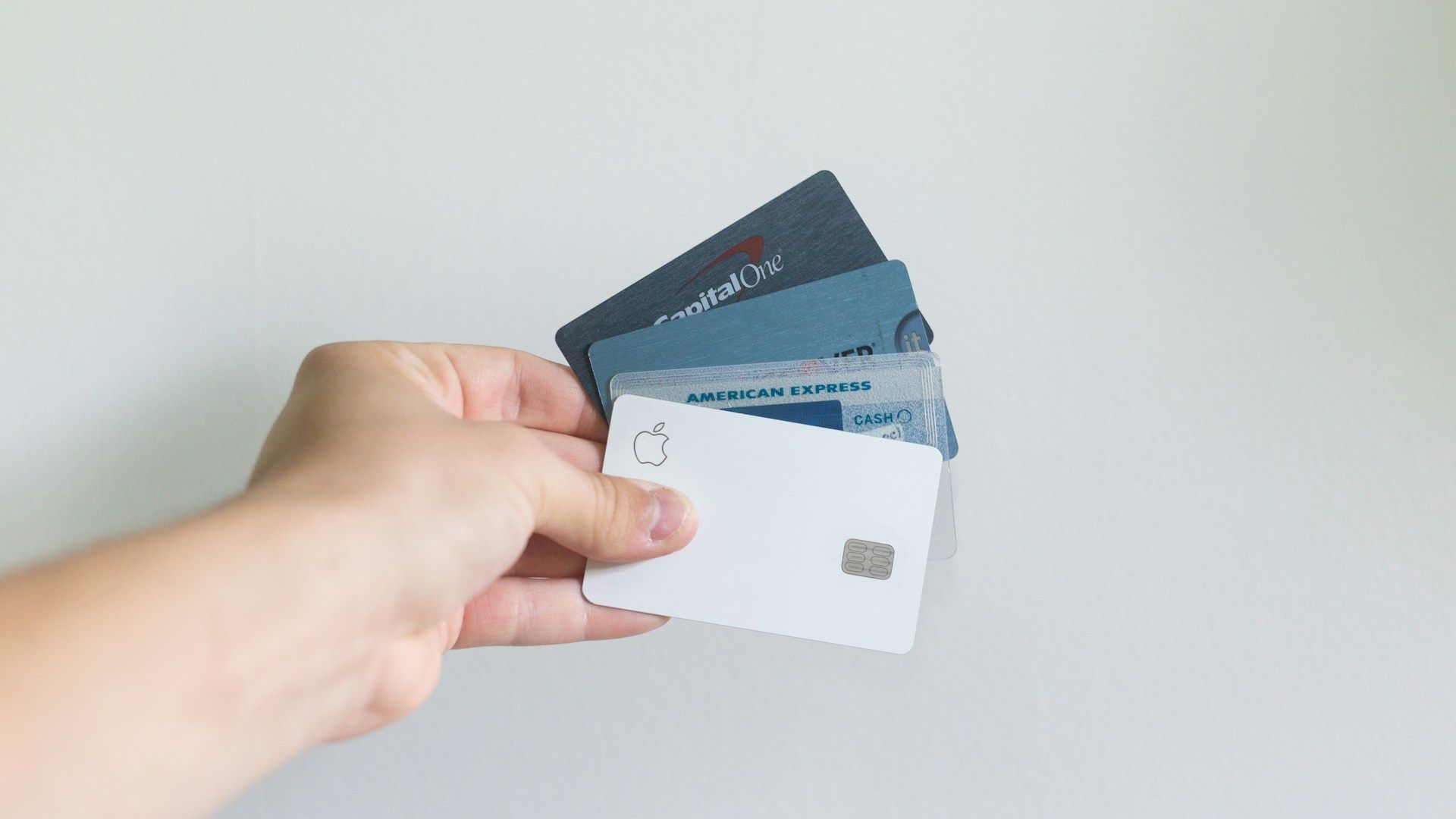
Quick Answer: The top credit cards for Airbnb hosts in 2026 are the Chase Ink Business Cash (5% on utilities and office supplies), Capital One Spark Cash Plus (unlimited 2%), and American Express Blue Business Cash (2% up to $50K annually). Choose based on your spending patterns and business needs.
67% of Airbnb hosts still use personal credit cards for business expenses — costing them hundreds in missed rewards and hours in messy bookkeeping every tax season. The right business credit card generates $1,000–$3,000 annually in cash back for the average host while building business credit and simplifying expense tracking.
This guide breaks down which credit cards for Airbnb hosts deliver the most value in 2026, based on real host spending patterns and current card offerings.
Why Airbnb Hosts Need Dedicated Business Credit Cards
Business credit cards earn higher rewards in the categories hosts actually spend on — utilities, office supplies, and business services — not dining and travel. Unlike personal cards, they also create the clean financial separation the IRS expects from rental business owners.
A study by the National Association of Realtors found that dedicated business credit cards cut tax preparation time by 40% for rental property owners. Separating business from personal transactions eliminates the tedious statement-sorting that eats hours every April.
Build Business Credit to Access Better Financing
Even sole proprietor hosts benefit from a dedicated business credit history. As of 2026, hosts with 12+ months of business credit on file qualify for property acquisition loans at interest rates averaging 1.2% lower than those relying solely on personal credit, according to Experian Business data. Understanding investment property mortgage rates can help you gauge how much that difference is worth over the life of a loan.
Business cards report to commercial bureaus separately from personal credit. This lets hosts build two distinct credit profiles at the same time — a real advantage when scaling or acquiring additional properties.
Tax and Accounting Advantages
Dedicated business cards connect directly to accounting platforms like QuickBooks, automating transaction categorization and saving active hosts an estimated 3–5 hours of bookkeeping per month. That time compounds fast across a full year.
The audit trail matters, too. Hosts with dedicated business cards rarely face expense documentation issues during IRS examinations. Those mixing personal and business spending on the same card often struggle to substantiate deductions. Knowing how Airbnb rental income is taxed makes it easier to understand exactly which expenses belong on which card.
What to Look for in a Business Credit Card as an Airbnb Host
Match Reward Categories to Your Actual Spending
Card selection starts with knowing where your money actually goes. Analysis of 500+ Airbnb host expense reports shows this typical spending breakdown:
- Utilities and internet: 22%
- Supplies and maintenance: 18%
- Furniture and equipment: 15%
- Cleaning services: 12%
- Insurance and business services: 10%
Cards with bonus rewards in utilities and office supplies generate 40–60% more rewards for hosts than travel-focused cards. Most hosts never notice this gap until they run the numbers. The full picture of what it costs to host on Airbnb makes it easier to match each major expense category to the right card.
Annual Fee Math
The breakeven point for annual fee cards sits around $8,000 in annual business spending, according to 2026 card industry research. Hosts exceeding that threshold frequently come out ahead with premium cards offering higher reward rates and added perks.
First-year fee waivers give you a risk-free window to test a card. Calculate your projected rewards against the fee before committing long-term.
Top Credit Cards for Airbnb Hosts in 2026
Chase Ink Business Cash Credit Card
Best for: Hosts with high utility and internet bills
The Chase Ink Business Cash earns 5% cash back on the first $25,000 spent annually on utilities, internet, cable, phone services, and office supply stores. That's up to $1,250 in rewards from bonus categories alone — with no annual fee.
Key benefits:
- No annual fee
- $750 sign-up bonus after $7,500 spend in the first 3 months
- 15-month 0% intro APR on purchases
- Cell phone protection up to $600 per claim
Hosts running properties with pools, hot tubs, or high HVAC usage get outsized value here. Utility bills that feel like a burden become a rewards engine.
Capital One Spark Cash Plus
Best for: High-volume spenders who want simplicity
The Spark Cash Plus pays unlimited 2% cash back on every purchase — no bonus categories to track, no spending caps. It's a charge card, meaning balances must be paid monthly, which suits disciplined hosts and eliminates interest charges entirely.
Key benefits:
- Unlimited 2% cash back
- No preset spending limit
- $1,000 sign-up bonus ($500 after $5K spend, $500 after $50K spend in 6 months)
- First-year annual fee waiver ($150 thereafter)
The no-spending-limit structure makes it useful for large property improvement purchases where a credit limit could otherwise be a bottleneck.
American Express Blue Business Cash Card
Best for: New hosts or those with moderate monthly spending
This no-annual-fee card earns 2% cash back on all purchases up to $50,000 per year, then drops to 1%. Rewards post as automatic statement credits — no redemption process required.
Key benefits:
- No annual fee
- 2% cash back covers most host spending levels
- Expanded buying power for larger purchases
- Direct integration with Amex business tools
Note the 2.7% foreign transaction fee — this card is best for domestic hosts. For anyone hosting properties in the US with straightforward expenses, it's a clean, low-maintenance earner.
Advanced Strategies to Maximize Rewards
Time Big Purchases Around Sign-Up Bonuses
Coordinate major purchases — furniture, HVAC upgrades, property supplies — with the first 3 months after card approval to hit sign-up bonus thresholds. This single move can add $500–$750 in rewards that would otherwise take months to earn through regular spending.
Schedule recurring annual expenses like insurance premiums and maintenance contracts during bonus earning windows. Hosts who plan this way consistently report earning $300–$500 more annually in rewards than those who don't. Keeping a detailed Airbnb supplies buy list helps identify exactly which purchases to time around bonus windows.
Understand Merchant Category Codes
Merchant category codes (MCCs) determine which bonus tier a purchase falls into. Home improvement stores like Home Depot often code as "hardware stores," not general merchandise — which changes bonus eligibility on some cards.
Hosts who actively track MCCs for their top vendors earn roughly 35% more rewards annually than passive card users. A quick call to your card issuer confirms how specific vendors code.
Run a Multi-Card Strategy
Hosts who manage multiple cards strategically earn 25–40% more total rewards than single-card users. A simple, effective stack looks like this:
- Primary card: Unlimited flat-rate rewards for general spending (Capital One Spark Cash Plus)
- Utilities card: 5% bonus category optimization (Chase Ink Business Cash)
- Large purchases: 0% intro APR card for property improvements
This only works if you can manage payments reliably. One missed payment wipes out months of rewards gains.
Credit Building and Financial Management Best Practices
Keep Utilization Below 10%
Business credit bureaus weight utilization ratios heavily. Keeping balances below 10% of your total credit limit produces the strongest score impact — ratios above 30% create meaningful drag on creditworthiness.
Request credit limit increases every 6–12 months as spending grows. Higher limits create more room to spend while keeping utilization low.
Pay Before Statement Close
Business credit cards report balances to bureaus on the statement closing date, not the payment due date. Paying down balances before the statement closes shows a near-zero balance to bureaus — without losing any rewards on those purchases.
This is especially effective before applying for property acquisition financing, where a clean business credit report strengthens your application significantly.
Beyond Credit Cards: Alternative Financing for Hosts
Business Lines of Credit
For funding needs that exceed credit card limits, business lines of credit offer lower rates — typically 7–12% as of 2026 versus 18–25% for credit card balances carried month to month. They work well for seasonal cash flow gaps or major renovations.
Lines of credit don't replace credit cards for day-to-day earning; they complement them for larger, longer-term funding needs.
Revenue-Based Financing
Fintech lenders now offer Airbnb-specific financing tied to booking history and projected revenue. Rates typically run 15–20% annually, with payments structured around rental income performance rather than fixed monthly installments.
Hosts using revenue-based financing report faster property acquisition timelines compared to traditional lending, according to recent STR industry data — though the higher rate means this option suits growth-stage operators more than established ones.
Tax Rules Every Host Should Know
Deduct Business Credit Card Interest
Interest on business credit cards used for legitimate business expenses is fully tax-deductible. This alone makes business cards preferable to personal cards, even when reward rates are comparable.
The IRS requires documentation linking each expense to a business purpose. Automatic categorization through QuickBooks or similar platforms handles most of this without manual effort.
What the IRS Actually Requires
Credit card statements alone don't satisfy IRS documentation standards. Keep receipts for purchases over $75 and maintain brief notes explaining the business purpose for each expense.
Cloud accounting platforms connected to major business card issuers automate most of this process. Set it up once, and your records stay audit-ready year-round.
Mistakes That Cost Airbnb Hosts Real Money
Mixing Personal and Business Expenses
Using a business card for personal purchases compromises the legal separation between personal and business finances. It creates liability exposure and raises red flags during IRS reviews.
The IRS scrutinizes mixed-use credit card accounts at rates roughly 40% higher than cleanly separated accounts. Keep the line clear.
Dismissing Annual Fee Cards Too Quickly
Many hosts reject annual fee cards on instinct without running the math. Cards with $95–$150 annual fees routinely deliver $500–$1,500 in net value through higher reward rates and included perks.
Revisit your card lineup once a year. Spending patterns shift as a hosting business grows, and the card that fit year one may not be the best choice by year three.
Expert Takeaway: Start with one primary business card that matches your largest expense category. Expand to a multi-card setup only after your spending patterns are clear and your payment habits are solid. Rewards are only worth chasing if you're paying balances in full.
The right credit card stack is a genuine profit lever for Airbnb hosts — not a minor optimization. Align your cards to your actual costs, track your categories, and treat your cards as business tools rather than conveniences.
Use BNBCalc to analyze your property's revenue potential and identify which expense categories drive your hosting costs — so you can pick the card that pays you back the most.
Frequently Asked Questions
What credit score do I need to get a business credit card as an Airbnb host?
Most business credit cards require a personal credit score of 660–700 or higher. Some issuers approve scores as low as 620 for businesses with demonstrated revenue history. New hosts should start with no-annual-fee cards and build from there.
Can I put Airbnb startup costs on a business credit card?
Yes. Furniture, supplies, cleaning equipment, and property preparation costs all qualify as legitimate business expenses. Document every purchase clearly and keep receipts for anything over $75 to support tax deductions.
Will a business credit card affect my personal credit score?
Ongoing business card activity typically doesn't appear on your personal credit report. The initial application usually triggers a hard inquiry that temporarily affects your personal score. Missed payments can cross over to personal credit, so pay on time.
How many business credit cards should an Airbnb host carry?
Start with one card matched to your dominant expense category. Add a second card once your monthly spending consistently exceeds $3,000 and you can identify a clear gap in your rewards coverage. Most hosts don't need more than two or three.
Is business credit card interest tax-deductible for Airbnb hosts?
Yes, interest on business cards used exclusively for business expenses is tax-deductible. You cannot deduct interest on personal charges made to the same card. Clean separation between personal and business spending is essential.
Airbnb Tax Deduction Calculator
Paying too much in taxes? We have the perfect solution. Simulate an Airbnb home purchase below.
Purchase Price
$450K
Structure Value
70%
Apply Trump's Tax Cut (Bonus Depreciation)
Depreciation
$117,695
Interest
$21,600
Tax
$6,750
Year 1 Deduction
$146,045
Want to claim this deduction? Get a free cost segregation benefit analysis from CSA Partners — no obligation.
Get Full Analysis