Analyse instantanée gratuite
Révélez les revenus Airbnb pour n'importe quelle adresse ou ville
Do you own a place in Clackamas County, Oregon and you're weighing whether to put it on Airbnb or Vrbo? Well, the good news is that yes, you can, at least across the county's unincorporated areas, and unlike a lot of the places I've researched this year, Clackamas actually sat down and wrote a clear set of rules rather than leaving hosts to guess. You register the property, you meet a list of safety and occupancy standards, you collect a few taxes, and you're operating legally.
There's a catch worth naming up front, though, and it's the one that trips people up most. This guide is about unincorporated Clackamas County only, meaning the land outside any city's boundaries. If your place sits inside Lake Oswego, Milwaukie, Oregon City, Happy Valley, West Linn, Wilsonville, Canby or any other incorporated city, the county's rules don't reach you and that city's own ordinance does. So before anything else, make sure you actually know which side of that line your address falls on, because it decides which rulebook you're even reading. And the county's rulebook changed in a real way in 2026: what ran for two and a half years as a pilot program became permanent around July 1, 2026, and the Board adopted a formal schedule of fees and fines to pay for enforcement, which I'll get into below.
So let's walk through what it actually takes to do this properly: what the county requires in 2026, how registration works and what it costs, the three layers of tax you'll be collecting, the safety standards nobody mentions until you fail one, how hard the county enforces, and who to call when you get stuck. Every figure here comes from Clackamas County's own code and pages or from Oregon state law, checked in July 2026, and where something is still moving I've said so plainly. If you're comparing a Clackamas property against another market, run the numbers through BNBCalc first so you know whether the rules are even worth clearing.
What are Short-Term Rental (Airbnb, VRBO) Regulations in Clackamas County, Oregon?
Since we've established that this is about the unincorporated county, the whole framework lives in one place: Chapter 8.10 of the Clackamas County Code, the short-term rentals chapter. The county first added it by ordinance in late 2020, rewrote it substantially in 2023, and amended it again in June 2026 when the program went permanent. What it does is straightforward enough: it treats a short-term rental as an allowed residential use, and in exchange asks you to register and follow a set of livability and safety standards.
The code defines a short-term rental as a dwelling unit, or part of one, rented to someone for up to 30 consecutive nights. Anything longer than that stops being an STR and becomes an ordinary tenancy under landlord-tenant law instead, which matters for tax as well as for the rules. And the chapter is careful about where it applies. It covers the unincorporated areas of the county, including land inside urban growth boundaries, but never inside an incorporated city. It also doesn't touch hotels, motels, bed and breakfasts, hostels, resort accommodations in commercial zones, campgrounds or RV parks, since those are their own animals with their own permits.
One nice thing about Clackamas, compared to the stricter markets out there, is that it doesn't make you live on the property. There's no owner-occupancy rule, so an investor who lives elsewhere can register and host, which isn't something you can say about, for instance, a hosted-only city. Keep in mind, though, that "allowed" and "no strings attached" are not the same thing. The standards in the rest of this guide are real, and the county has now funded a team to check them.
Starting a Short-Term Rental Business in Clackamas County
Given that the county lets non-residents host, the practical starting question isn't "am I eligible," it's "is my specific dwelling the kind the code will register." That's where a bit of homework pays off before you spend a dollar on furniture.
The code only registers a legally established, permanent dwelling unit, and it explicitly rules out a few things people assume they can rent. A dwelling that was approved through a land-use process that limited its use, occupancy or lifespan doesn't qualify, so an accessory farmworker dwelling, a caretaker dwelling or a temporary dwelling for care is off the table. A guest house works only if it was legally established in the first place. And tents and recreational vehicles aren't dwelling units at all under the county's zoning ordinance, so you can't register one as an STR no matter how nicely it's kitted out. Watch out for that last one especially if your plan leaned on a cabin-plus-RV setup on rural acreage.
Assuming your dwelling clears that bar, the next thing to check is whether your property even needs to register. There's a narrow exemption: an STR that qualifies as incidental use and is exempt from the county's Transient Room Tax under Section 8.02.060(C) is also exempt from registration. That's a small carve-out for very occasional renting, not a loophole, so don't count on it unless a booking or two a year is all you're doing. For nearly everyone actually building an Airbnb, registration is the path, and you can't legally advertise the place until you've done it.
If you're still weighing whether the county area is the right place to buy at all, it's worth reading the Oregon statewide guide alongside this one, and if you're torn between the county and the city across the river, the Multnomah County guide covers the Portland side where the rules run quite a bit tighter.
Short-Term Rental Licensing Requirements in Clackamas County
So let's say your dwelling qualifies and you're past the exemption question. The registration itself is refreshingly light, which is one of the things that makes Clackamas workable. The county runs it as a free registration with no in-home inspection, you fill out the form, and staff confirm your registration within about 30 days of receiving a complete application. Once it's processed, the county issues a unique STR identification number for the property, and that number is what you'll put on your listings.
The application is a signed affidavit of compliance, which is a fancy way of saying you're swearing the place meets the standards. On it you provide the location, your real name and contact details as owner, and confirmation that the use meets all building and fire standards. You also certify that you've already submitted a Transient Room Tax registration form, so the tax account and the STR registration get set up together rather than one trailing the other. Make sure you don't skip that step, because it's a required part of the affidavit, not an afterthought.
Two requirements on that form are easy to overlook and worth flagging now. First, you have to name a responsible contact person who can respond to complaints about the rental, and that person needs to be reachable, since the enforcement process starts with a call to them. Second, you have to provide proof of liability insurance on the short-term rental. That insurance requirement catches a lot of new hosts flat-footed, so do check your policy early, because a standard homeowner's policy often won't cover commercial short-term renting and you may need a rider or a dedicated STR policy before you can truthfully sign.
Then there's the piece that changed this year. The whole thing started as a pilot in December 2023, the Board extended it into 2026 while it gathered feedback, and at its June 25, 2026 business meeting it approved amendments to Chapter 8.10 and adopted a resolution setting fees and fines, aimed at raising roughly $558,100 to fund STR code enforcement. The county's own STR page still describes registration itself as free, so I'd read the change as the county building a real penalty schedule rather than charging you to sign up. As of my last check in July 2026, though, the final adopted dollar figures for those fines weren't loading from the county's document server, so if an exact fine number matters to your planning, call Finance and confirm it rather than trusting a figure you read secondhand.
Required Documents for Clackamas County Short-Term Rentals
Because that affidavit is a sworn statement, it pays to have every supporting document in hand before you sign, rather than certifying something you're still scrambling to arrange. The registration paperwork is short, but a few specific items sit behind it, and each one maps to a standard the county can later check.
Here's what you'll want assembled:
- Proof of liability insurance on the short-term rental, per the affidavit. Sort this out first, since it's the item most likely to need a call to your agent.
- Your Transient Room Tax registration form, submitted to the county so your 6% lodging-tax account exists before you take a booking.
- Owner and contact details: your true name, phone, address and email, plus the same for the responsible party who fields complaints 24/7.
- A maximum-occupancy figure you can stand behind, calculated the county's way (more on the formula in a moment), because it has to be posted inside the unit and stated in every listing.
- Confirmation of your safety setup: smoke and carbon monoxide detectors, fire extinguishers, escape openings and any pool or hot tub barriers, all of which the affidavit has you certify.
Remember that a registration terminates automatically the moment the property is transferred to a new owner. So if you're buying an existing STR, don't assume the previous owner's registration carries over. It doesn't, and you'll need to register fresh in your own name before you advertise a single night.
Clackamas County Short-Term Rental Taxes
Once you're registered and insured, the ongoing job becomes collecting tax, and this is where hosts most often get the math wrong. Three separate charges attach to a Clackamas County stay, and because a different government sits behind each one, they don't share a single rate or a single form. Take them one at a time and it stops being confusing.
| Charge | Rate | Who collects it |
|---|---|---|
| Oregon state transient lodging tax | 1.5% (rising to 2.75% for stays on or after Jan 1, 2027) | Booking platform or host, remitted to Oregon DOR |
| Clackamas County transient lodging tax | 6% | Host, or a platform acting as intermediary |
| Clackamas County STR administration fee | 0.85% of the occupancy charge | Host, paid to county Finance |
The county pieces come straight out of the code. Chapter 8.10 requires you to remit a state lodging tax currently at 1.5%, the Clackamas County transient lodging tax currently at 6%, and a county STR administration fee of 0.85% of what you charge for occupancy. That 6% county lodging tax is its own Transient Lodging Tax program under Chapter 8.02, and any operator or booking intermediary renting lodging in the county has to register and collect it. The 0.85% administration fee is what funds the STR program, and you pay it to the county each month.
On timing, both county charges run monthly. Your collections for a given calendar month are due by the 15th of the following month, and they keep coming due whether or not you booked anything, so don't forget to file a zero when a month is quiet. Miss the deadline and penalties and interest start stacking, which is a needless cost on a fee that's small to begin with.
The state layer is the one genuinely in motion, and it's a 2026 story worth watching. Oregon's state transient lodging tax has sat at 1.5% for years, but House Bill 4134, enacted in the 2026 session, raises the state rate to 2.75% for stays occurring on or after January 1, 2027, with the extra going to wildlife conservation. So a booking for a January 2027 night carries more state tax than the same booking tonight, and you'll want your pricing and your accounting ready for that bump before the calendar turns.
One practical relief: for the state tax and often the county tax, the platform usually does the collecting. Oregon treats a booking platform that takes the guest's payment as a tax collector in its own right, so Airbnb generally remits the state lodging tax for you. The county's tax page likewise expects intermediaries to register and collect the 6%. That said, platform coverage moves and it rarely reaches your direct bookings, so keep in mind that the 0.85% administration fee is yours to remit either way, and you're the one on the hook if a tax that should have been collected wasn't.
Oregon Wide Short-Term Rental Rules
Those tax rates make more sense once you see how much of the structure is set in Salem rather than in Oregon City. The county rules sit on top of a thin but real state layer, and knowing the split keeps you from mixing up who to blame for what.
The most important thing to understand about Oregon is what the state does not do. There's no statewide short-term-rental license or registry, so the only state-level filing you need is a tax account: a Transient Lodging Tax registration through the Oregon Department of Revenue, opened before your first return. Oregon also doesn't preempt local bans or caps. Under ORS 320.350 the state froze the ability of cities and counties to create or raise local lodging taxes back in 2003, but that touches tax rates only, not zoning, so a county like Clackamas keeps full authority to decide whether and how STRs operate. That's exactly why the rules change so much from one Oregon jurisdiction to the next.
The state tax itself comes from ORS 320.305, which sets the 1.5% rate you're collecting now and which HB 4134 pushes to 2.75% in 2027. Stays of 30 or more consecutive days are exempt from the state tax, which lines up neatly with the county's own 30-night cutoff, so a monthly-plus booking generally drops out of the lodging-tax world entirely. If you want the full statewide picture, or you're comparing counties, the Oregon statewide guide lays out the state framework in more detail, and the Portland guide is a useful contrast, since the big city just north runs a far more demanding permit system than the county does.
Does Clackamas County Strictly Enforce STR Rules?
Here's where that permanent-program change earns its keep, because for most of the pilot the honest answer was "loosely, and mostly by complaint." That's no longer the read I'd give you for 2026.
The mechanism has always been complaint-driven, and the code lays it out clearly. When something goes wrong at a rental, the first step is contacting the responsible party you named on your registration, and if that person doesn't respond within 24 hours or fix the problem, the complaint goes to the county's Finance Department. From there the county issues warnings before it swings to formal action, and it caps those at two written warnings before it starts enforcement in earnest. That's a genuine grace period, but it's a short one, so don't treat a first warning as a freebie you can ignore.
The teeth are in two places. Operating without an approved registration, or renting while you're suspended, subjects you to immediate citation, with 30 days to resolve it or request a hearing. And where a rental has a building or fire violation that poses an immediate life-safety risk, the county Building Official can revoke your registration on the spot, after which you can't rent again until it's fixed and reinstated. Penalties beyond that run to suspension, revocation, or a fine set by Board resolution, which is precisely the schedule the Board adopted in June 2026.
What changed the enforcement posture is money. By dedicating roughly $558,100 a year to STR code enforcement, the county went from a program that mostly reacted to angry neighbors to one with staff whose job is to check compliance, examine records, and follow up. The code already let the Administrator examine your books, records and premises to confirm you're paying what you owe. Now there's a funded team to actually do it. So my honest take is that the days of quietly skipping registration in the unincorporated county are closing, and I wouldn't build a business on the assumption that nobody's looking.
How to Start a Short-Term Rental Business in Clackamas County
Knowing how the county now enforces, the smart move is to do this in the right order, because a couple of the early steps decide whether the later ones are even worth your time. Rushing to furnish a place before you've checked eligibility is how people waste a season.
- Confirm you're in unincorporated county, not a city. Check your address against city limits first, since a place inside Lake Oswego, Milwaukie or Oregon City follows that city's rules, not Chapter 8.10. This one step changes everything downstream.
- Confirm the dwelling qualifies. It has to be a legally established, permanent dwelling unit, not a caretaker or farmworker dwelling, not an unpermitted guest house, and never a tent or RV.
- Sort your insurance. Get proof of liability coverage on the short-term rental in hand, because you'll be certifying it on the affidavit and a standard homeowner's policy often won't cut it.
- Register for the Transient Room Tax. Submit the county's TRT registration form so your 6% lodging-tax account exists before you take a booking.
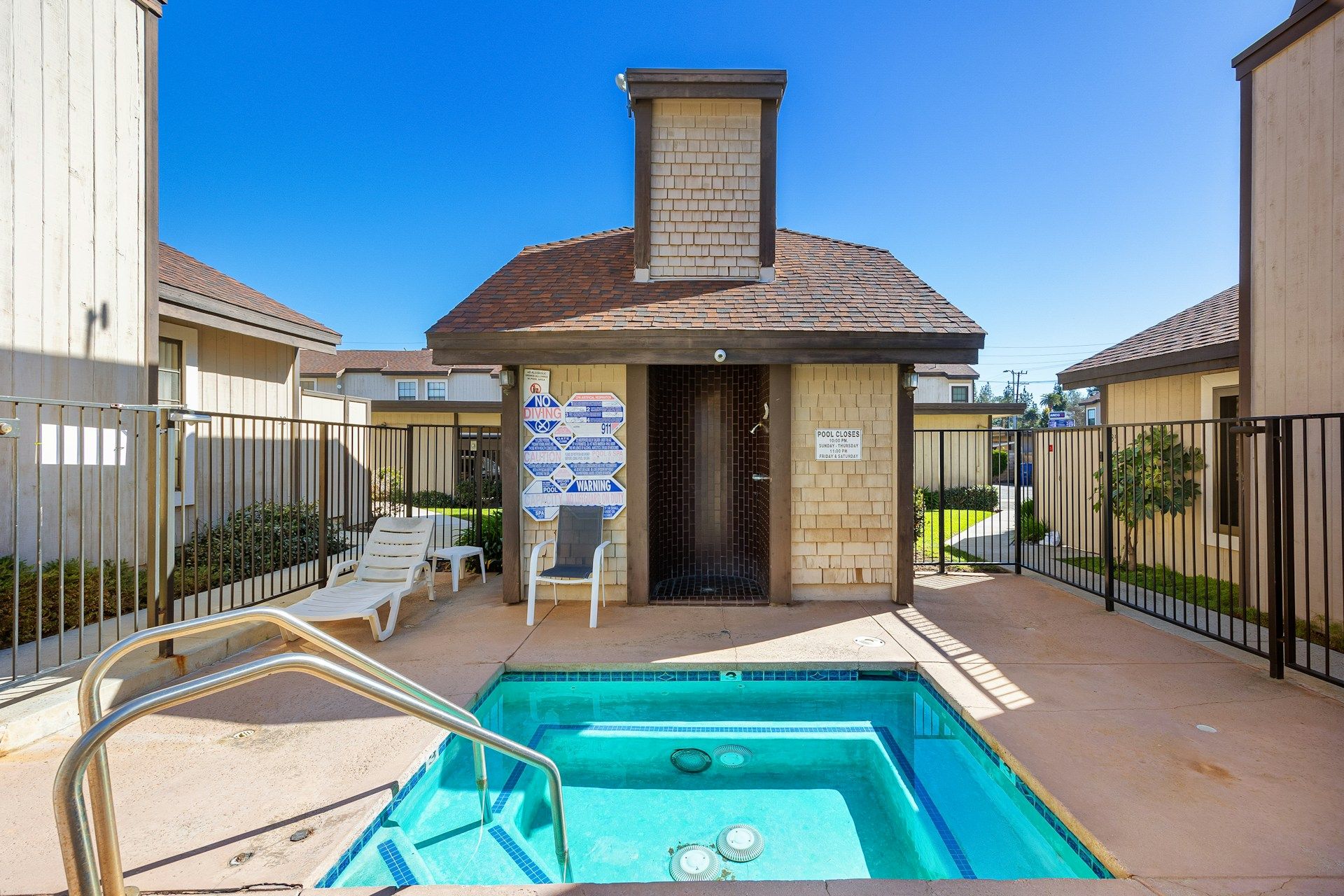
- Meet the safety standards. Install smoke and carbon monoxide detectors, put at least two fire extinguishers in place, confirm every sleeping area has an escape opening, and add pool or hot tub barriers if you have either.
- Register the STR itself. File the signed affidavit of compliance with the county, wait for confirmation within about 30 days, and get your STR identification number.
- Set up your postings and listings. Put your STR number in every advertisement, post the responsible party's contact and that number so it's visible from the road, and post the maximum occupancy and the noise notice inside the unit.
- Remit tax every month. File and pay the county lodging tax and the 0.85% administration fee by the 15th of the following month, even in a month with no bookings.
Work it in that sequence and the whole thing is genuinely doable in a few weeks, most of which is waiting on insurance and the 30-day confirmation rather than on anything hard.
Who to Contact in Clackamas County about Short-Term Rental Regulations and Zoning?
Since the Finance Department runs both registration and enforcement, you'll be dealing with fewer offices here than in most counties, which is a small mercy. Knowing which line owns which question still saves you time on hold.
For the STR program itself, registration, the affidavit, adding or ending a registration, the county's short-term rental team is your contact:
- Department: Clackamas County Finance Department, Short-Term Rental program
- Email: [email protected]
- Phone: 503-742-5400
- To report a violation: 971-377-2005
- Address: Clackamas County Finance Department, c/o STR Registration, Suite 490, 2051 Kaen Road, Oregon City, OR 97045
- Hours: County offices are open Monday through Thursday, 7 a.m. to 6 p.m.
For the transient lodging tax, the account setup, monthly returns and the 6% remittance, there's a separate tax line in the same building:
- Program: Clackamas County Transient Lodging Tax
- Email: [email protected]
- Phone: 503-742-5462
- Address: Clackamas County Finance Department, 2051 Kaen Road, Oregon City, OR 97045
And for the state lodging-tax account, that's the Oregon Department of Revenue's Transient Lodging Tax program, handled online through Revenue Online rather than at the county. When in doubt about whether a question is county or state, start with the county STR email, since they'll point you the right way.
What Do Airbnb Hosts in Clackamas County on Reddit and Bigger Pockets Think about Local Regulations?
Talk to hosts here and the tone is noticeably calmer than what you hear out of the city just north, which fits everything above. What follows is my read of the recurring themes rather than any kind of formal survey, so do weigh it as that.
- The free, no-inspection registration gets real credit. Compared with Portland's permit fees and inspections, hosts treat Clackamas as the reasonable neighbor, and the general advice for someone choosing between the two is that the unincorporated county is the friendlier place to operate.
- The Mount Hood corridor is its own conversation. A lot of the county's STR activity clusters around Welches, Government Camp and the Mount Hood villages, and hosts there talk about parking, snow and neighbor relations far more than about paperwork, since a mountain cabin's practical constraints bite harder than the code does.
- The 2026 changes made people nervous, understandably. The town halls and the survey that ran into early 2026 drew a genuinely split crowd, with some residents pushing for tighter caps and hosts worried the permanent program would bring Portland-style costs. The fee-and-fine schedule that came out of it is the thing most operators are now watching.
- Nobody serious still assumes enforcement won't happen. That was a defensible bet during the early pilot. With a funded enforcement team in place, the smarter hosts have shifted to just registering and paying, since the downside of getting caught unregistered now clearly outweighs the saved paperwork.
Take that last point to heart. The cheapest insurance in this county is simply doing the registration, because it's free, it's quick, and it's the one thing that turns an enforcement visit from a citation into a non-event.
Frequently Asked Questions
Can you run an Airbnb in Clackamas County, Oregon in 2026?
Yes, if your property sits in unincorporated Clackamas County, outside any city's limits. You must register the dwelling with the county under Code Chapter 8.10 before you advertise it, and registration is free with no inspection. You also have to carry liability insurance, meet safety standards, and collect the required lodging taxes. Properties inside cities like Lake Oswego, Milwaukie or Oregon City follow that city's separate rules instead.
How much does it cost to register a short-term rental in Clackamas County?
Registration itself is free, and there's no in-home inspection. The ongoing costs are the taxes and fee you collect and remit: a 6% county transient lodging tax, a 0.85% county STR administration fee, and Oregon's state lodging tax of 1.5%, rising to 2.75% for stays on or after January 1, 2027. The county adopted a schedule of fees and fines for violations in June 2026, so confirm any penalty amount with the Finance Department directly.
Does Clackamas County require you to live on the property to run an Airbnb?
No. Unincorporated Clackamas County has no owner-occupancy requirement, so an investor who lives elsewhere can register and host. The property does have to be a legally established, permanent dwelling unit, which rules out tents, RVs, unpermitted guest houses, and dwellings approved only as caretaker, farmworker or temporary care housing. The registration also ends automatically if you sell, so a buyer has to register anew.
How many guests can a Clackamas County short-term rental have?
The county caps occupancy using a formula: two occupants per sleeping area, plus four additional occupants, up to a hard maximum of 15 people regardless of how large the home is. Roll-out beds and fold-out couches don't count as sleeping areas but can hold some of those four extra guests. You must post the maximum occupancy inside the unit and state it in every listing and rental agreement.
Who collects the lodging tax on a Clackamas County Airbnb?
For the Oregon state lodging tax, and often the 6% county tax, the booking platform collects and remits when it takes the guest's payment, since Oregon treats platforms like Airbnb as tax collectors. The 0.85% county administration fee is yours to remit directly to Finance each month, due by the 15th of the following month. Platform coverage rarely extends to direct bookings, so confirm what your platform actually collects and file for anything it doesn't.
If there's one thing to carry out of all this, it's that a market's rules are only worth clearing if the numbers behind them work, and the friendliest regulations in the world won't rescue a property that doesn't pencil out. So before you register anything, check what comparable homes actually earn across the Oregon market, and let the return decide whether the paperwork is worth your afternoon.
Last verified: July 2026. Every ordinance, tax rate, state law, and contact detail in this guide links to or comes from its official source.
Airbnb Tax Deduction Calculator
Paying too much in taxes? We have the perfect solution. Simulate an Airbnb home purchase below.
Purchase Price
$450K
Structure Value
70%
Apply Trump's Tax Cut (Bonus Depreciation)
Depreciation
$117,695
Interest
$21,600
Tax
$6,750
Year 1 Deduction
$146,045
Want to claim this deduction? Get a free cost segregation benefit analysis from CSA Partners — no obligation.
Get Full Analysis